Butterfly Vector Decorative Line Style Graphics
Aesthetic First Impressions
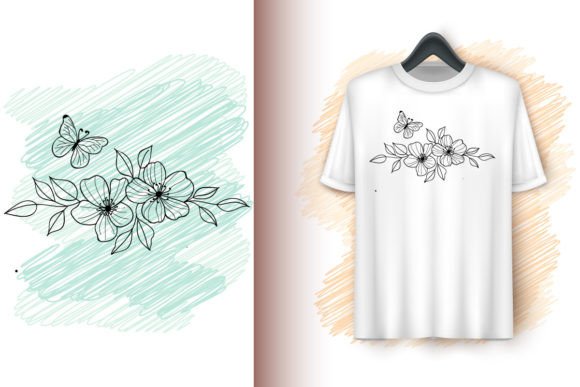
The Butterfly Vector Decorative Line Style immediately strikes a balance between elegance and simplicity. With its clean lines and subtle detailing, it evokes a sense of sophistication that feels both modern and timeless. The design’s minimalist approach makes it versatile enough to fit into a wide range of creative projects while still maintaining a distinct visual identity.
Fitting the Right Project
As a designer working on a handmade business branding project, I found the Butterfly Vector Decorative Line Style particularly well-suited for packaging design, product mockups, and social media graphics. Its line style is ideal for adding a decorative touch without overwhelming the main visual elements. It works especially well in brand identity concepts where a soft, artistic feel is desired.
This vector asset can also serve as a great creative design element in logo design or web design projects. When used as part of a Canva template, it adds a layer of visual interest without compromising clarity. For small business branding, the Butterfly Vector Decorative Line Style offers an easy way to introduce a handcrafted aesthetic into digital assets like blog visuals or printable wall art.
Performance in Real Design Situations
When testing the Butterfly Vector Decorative Line Style in various design scenarios, it performed consistently well. In packaging design, it added a decorative accent that enhanced the overall look without being distracting. On product labels and sticker designs, it maintained its clarity even when scaled down, making it suitable for small print-on-demand products.
In digital ads and Pinterest pins, the Butterfly Vector Decorative Line Style worked as a supporting graphic that helped reinforce the brand’s visual theme. It also proved effective in editorial design contexts, such as magazine layouts or blog headers, where a subtle, elegant touch was needed.
However, it’s important to note that this asset may not be the best choice for professional corporate materials or minimalist branding projects. Its decorative nature can sometimes clash with the clean, straightforward aesthetics typically associated with those types of work.
Where It Works Best
- Large layout areas – Perfect for hero graphics and background accents.
- Hero graphics – Adds a refined visual statement without overpowering the content.
- Product mockups – Enhances the visual appeal of Etsy products and Cricut projects.
- Themed collections – Ideal for creating cohesive design bundles or printable design sets.
- Campaign visuals – Supports seasonal or event-based marketing efforts with a consistent visual language.
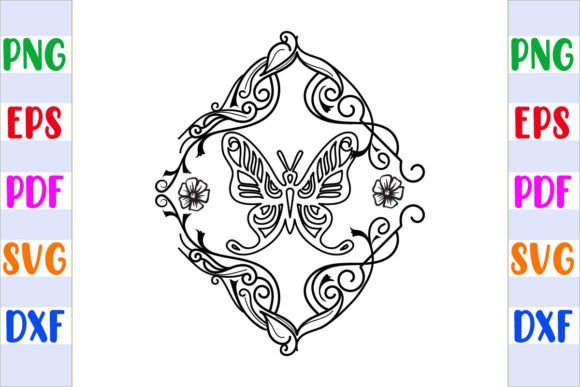
- Printable designs – High-resolution PNG and SVG files ensure quality across different mediums.
- Social media posts – Easily integrated into Instagram and Facebook visuals for a polished look.
- Supporting brand elements – Acts as a subtle yet impactful addition to brand identity systems.
Where to Use Carefully
While the Butterfly Vector Decorative Line Style is highly versatile, there are situations where it might not perform as well:
- Small sizes – Detail may become lost at smaller scales, affecting readability.
- Crowded layouts – Can compete with other design elements if not placed strategically.
- Complex backgrounds – Might not stand out against busy or high-contrast environments.
- Minimalist branding – May add unnecessary complexity to a clean, uncluttered design.
- Professional corporate materials – Could feel too artistic for a more formal setting.
- Projects requiring very clean visual hierarchy – Might disrupt the intended structure of the design.
Design Impact and Considerations
The Butterfly Vector Decorative Line Style has a significant impact on readability, visual trust, and audience engagement. When used appropriately, it enhances the emotional appeal of a design and helps create a stronger connection with the target audience. However, it’s crucial to maintain brand consistency by ensuring that the asset aligns with the overall visual hierarchy and modern design principles of the project.
From a professional standpoint, the Butterfly Vector Decorative Line Style supports commercial design by offering a scalable, editable, and high-quality graphic design asset. It’s especially useful for small business branding and creative marketplace projects where a visually appealing yet affordable design solution is needed.
Practical Designer Notes
Before using the Butterfly Vector Decorative Line Style in a client project, I recommend the following steps:
- Test it in black and white – Ensure it maintains clarity and visual weight in monochrome.
- Check contrast on light and dark backgrounds – Confirm it remains legible in different color schemes.
- Preview it at small and large sizes – Verify scalability and detail retention.
- Place it on real mockups – See how it interacts with other design elements in context.
- Test print quality – Confirm it looks sharp and professional when printed.
- Review file formats – Ensure you have access to all necessary PNG, SVG, and EPS versions.
- Inspect PNG transparency – Make sure it works well with layered design compositions.
- Check SVG or vector editability – Confirm it can be modified as needed for custom projects.
- Compare it with different font styles – Test its compatibility with serif, sans serif, script, and handwritten fonts.
- Confirm commercial licensing – Ensure it’s legally permissible for use in commercial license projects.
Conclusion
The Butterfly Vector Decorative Line Style is a valuable graphic design asset that can elevate the visual quality of a wide range of design projects. Whether you're working on brand identity, marketing visuals, or print-on-demand products, it offers a versatile and stylish solution. By understanding its strengths and limitations, designers can make informed decisions about when and how to incorporate it into their creative workflow.