Park Fence: Classic Urban Decorative Metal
First Impressions: Clean, Nostalgic, and Surprisingly Versatile
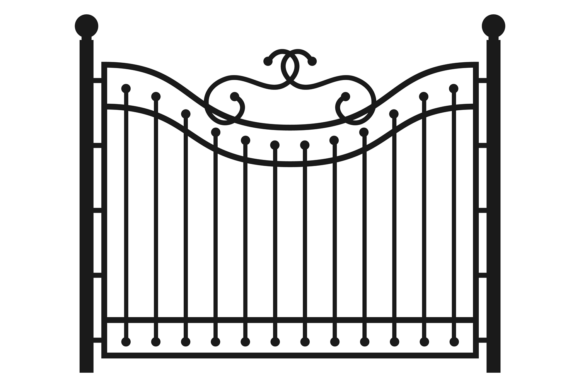
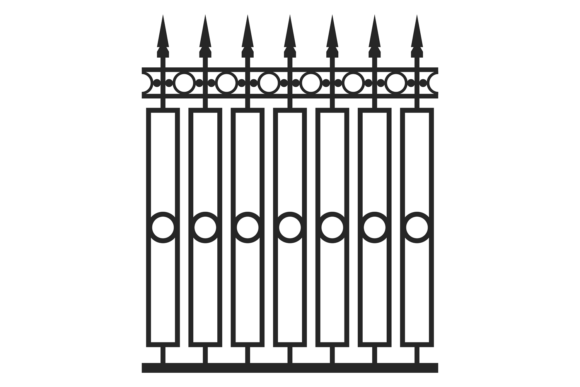
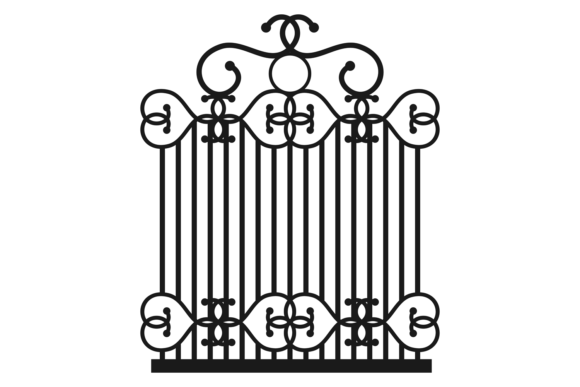
When I opened Park Fence. Classic Urban Decorative Met, I didn’t see just another metal picket illustration—I saw a quiet rhythm: clean vertical lines, subtle curve at the top, balanced spacing, and that gentle taper from base to finial. It’s not ornate like Victorian ironwork, nor industrial like chain-link—it’s the kind of fence you’d find outside a Brooklyn brownstone or lining a Parisian courtyard garden. That balance makes it feel both timeless and approachable. As an embroidery designer who’s stitched everything from floral monograms to full-sleeve motifs, I immediately asked: *Where does this live best in real cloth—not on screen?*
A Real-World Test: Embroidering It on a Linen Kitchen Towel
Last week, I prepped Park Fence. Classic Urban Decorative Met for a small-batch run of embroidered linen tea towels for a local boutique. The client wanted “quiet sophistication”—no florals, no script, nothing too literal. This design fit perfectly: it reads as decorative but grounded, architectural but soft. I resized it to 3.2” wide (hoop-friendly), used a medium-weight cutaway stabilizer, and chose matte cotton thread in charcoal gray and warm taupe. On the finished towel, the pickets held crisp definition without stiffness—the satin stitch edges caught light just enough, and the open spacing between bars kept the fabric breathable and drape-friendly. Customers noticed it instantly—not as “a fence,” but as *elegant structure*. That’s the win.
Where It Shines—and Where It Needs Careful Handling
Park Fence. Classic Urban Decorative Met excels in projects where subtlety carries weight: embroidered tote bag handles, minimalist sweatshirt chest accents, baby onesie hems, or pillow covers with neutral palettes. Its linear clarity translates beautifully into satin stitch outlines and clean fill-stitch bars—ideal for custom apparel and boutique merchandise. As an embroidery file, it’s inherently scalable, so it works equally well as a 2” cap front motif or a 5” apron pocket border.
But here’s what I watched closely: on thin cotton jersey or stretchy knits, the vertical lines can blur if stitch density isn’t adjusted. On dark fabric, fine interior details (like the slight bevel on each picket top) vanish unless thread contrast is strong—so always test in black-and-white mockups first. And while it’s not an applique design, avoid layering it over bulky seams or curved surfaces like baseball caps without re-hooping and stabilizing extra carefully. Tiny corners and narrow finials demand precise digitizing—if your version has dense fill in those areas, reduce stitch density or switch to running stitch for cleaner results.
Why It Builds Trust—Not Just Decoration
For Etsy sellers and craft business owners, Park Fence. Classic Urban Decorative Met quietly elevates perceived value. It doesn’t shout “handmade!”—it whispers “thoughtfully made.” That matters. Buyers scrolling through personalized gifts or small shop products respond to cohesion and intention. When stitched cleanly on a cream linen napkin set or a navy canvas tote, it signals care—not just craft, but curation. It supports brand consistency without locking you into one aesthetic: pair it with serif typography for wedding favors, or offset it with hand-drawn botanicals for nursery decor. And because it’s isolated on white (as noted in the product description), it integrates smoothly into printable mockups and digital product previews—no clipping masks needed.
Practical Designer Notes Before You Stitch
- Always test Park Fence. Classic Urban Decorative Met on scrap fabric matching your final project’s weight and stretch—especially for baby embroidery or holiday embroidery where durability matters.
- Check thread color contrast early: try it in both light and dark thread against your fabric swatch under natural light.
- Review stitch density—high density may cause puckering on lightweight fabrics; lower density keeps texture soft but may sacrifice edge sharpness.
- Confirm hoop size compatibility: its clean geometry scales well, but very small versions (<1.5”) risk losing finial detail—better suited as part of a larger composition than solo.
- Inspect small details in your embroidery software: ensure finials aren’t overly dense or prone to thread nesting.
- Use appropriate stabilizer—cutaway for knits, tear-away for stable wovens like linen or quilting cotton.
- Verify licensing before selling finished products or bundling it as part of digital embroidery files—since it’s listed under Illustrations and Graphics, rights vary by source.
Final Thought: A Design That Works Quietly, But Never Disappears
Park Fence. Classic Urban Decorative Met isn’t flashy—but that’s its strength. In a market flooded with overdesigned machine embroidery files, it offers breathing room. It gives handmade products dignity without pretension. Whether you’re stitching a single personalized gift or building a cohesive line of small shop products, this design earns its place by supporting the item—not competing with it. It reminds me that sometimes the most effective embroidery isn’t about movement or texture, but about presence: clean, confident, and quietly urban. If your next project needs structure without severity, rhythm without repetition, or heritage without heaviness—this is one to keep in your working library.