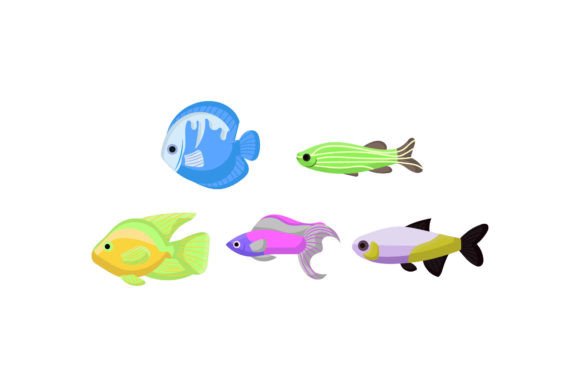
Decorative Fish Graphics for Branding and Marketing
A First Impression That Speaks Volumes
The Decorative Fish graphic immediately captures attention with its playful yet refined aesthetic. It balances whimsy and professionalism, making it a versatile asset for both casual and premium branding. The design feels fresh and modern, which is ideal for lifestyle content, creative marketplaces, and small business branding. Its clean lines and subtle details evoke a sense of quality without being overwhelming.
Fitting Into Real Marketing Projects
Imagine a small business launching a new line of eco-friendly apparel. The Decorative Fish could serve as the visual anchor for their brand identity. Whether used on shirts, tote bags, or social media graphics, it adds a unique touch that aligns with a modern, environmentally conscious audience. This design is perfect for creating a cohesive look across all marketing channels, from digital ads to physical product packaging.
Visual Consistency Across Multiple Platforms
The Decorative Fish graphic works seamlessly in various marketing contexts. On Instagram posts, it can be scaled down to fit profile pictures while maintaining clarity. For Pinterest pins, it adds visual interest without overpowering the content. In web design, it supports hero graphics and website headers, reinforcing brand identity with every page load.
As a graphic design asset, it’s also great for editorial design and content marketing. When paired with a well-structured visual hierarchy, it enhances readability and guides the audience’s eye naturally through the content. This makes it an excellent choice for blog graphics, email banners, and lead magnets.
Supporting Marketing Goals With Professional Appeal
Using the Decorative Fish graphic helps build audience trust by presenting a polished and intentional brand image. It contributes to stronger first impressions and improves engagement through its eye-catching design. The asset supports brand identity by offering a consistent visual element that can be repeated across different marketing materials, such as product labels, packaging inserts, and promotional banners.
Additionally, the design fosters emotional connection by adding a touch of personality to otherwise straightforward visuals. It’s especially effective in campaigns aimed at lifestyle brands, creative entrepreneurs, and small business owners looking to stand out in crowded markets.
Where the Design Shines Brightest
The Decorative Fish graphic excels in areas where creativity meets functionality. It shines in hero graphics, campaign headers, and branded templates, where it can act as a focal point without overshadowing the main message. It’s also ideal for social media covers, content bundles, and printable designs like posters and stickers.
When used in packaging design, it adds a decorative element that elevates the unboxing experience. For digital ads, it creates a memorable visual that stands out in fast-scrolling feeds. As part of a design bundle, it offers value by supporting multiple marketing assets simultaneously.
Limitations to Consider Before Use
While the Decorative Fish graphic is highly versatile, there are scenarios where it should be used carefully. In formal corporate branding, its playful nature may not align with the expected tone. Similarly, in text-heavy ads or dense information layouts, it could compete with the main message if not placed strategically.
On small mobile graphics, the design might lose some detail, so it’s important to test it in real-world conditions. Likewise, on low-contrast backgrounds, it may not appear as vibrant. For brands with an overly minimal aesthetic, the Decorative Fish could introduce unnecessary complexity.
Practical Tips for Brand Designers
Before integrating the Decorative Fish into a campaign, test it with your brand color palette to ensure it complements your overall design language. Check how it looks in black and white to confirm its versatility in different contexts.
Place it inside real campaign mockups to see how it performs in practice. Preview it on mobile screens to ensure it remains legible and visually appealing in smaller formats. Test its readability in small sizes and compare it against competitor visuals to gauge its competitive edge.
Review how it pairs with different font styles—serif, sans serif, script, and display fonts—to maintain visual balance. Confirm that you have a commercial license before using it in paid campaigns, client work, or business branding. This ensures compliance and protects your brand’s integrity.
Conclusion: A Versatile Asset for Content Creators
The Decorative Fish is more than just a graphic design asset—it’s a powerful tool for content creators and small business owners looking to elevate their brand presence. With its ability to support visual hierarchy, enhance audience trust, and create professional branding, it’s a valuable addition to any marketing toolkit. When used thoughtfully, it can transform simple content into compelling, memorable visuals that drive engagement and foster brand loyalty.