Elegant Menu Header for Local Branding
First Impressions of a Vintage Graphic Asset
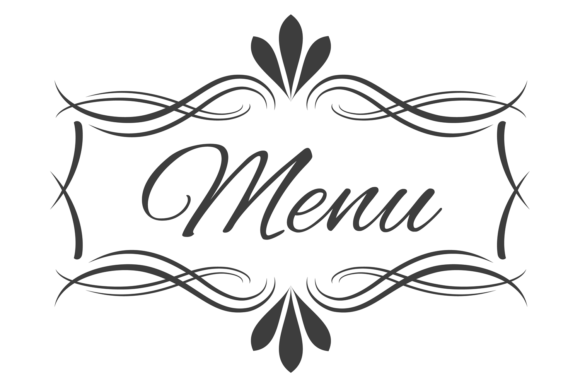
The Elegant Menu Header. Decorative Vintage immediately evokes a sense of nostalgia and refinement. Its vintage aesthetic suggests a brand that values tradition, craftsmanship, and timeless design. This graphic asset is ideal for small businesses aiming to create a warm, inviting, and handcrafted feel. It’s particularly well-suited for food businesses, handmade sellers, and boutique stores looking to blend elegance with a touch of history.
Design Mood and Brand Personality
This graphic design asset exudes a soft, decorative, and slightly ornate mood. It leans toward the feminine and elegant, making it perfect for brands that want to convey sophistication without being overly formal. The vintage element adds character and charm, suggesting a brand that respects its roots while remaining relevant in today’s market. It can work well for seasonal campaigns, artisanal products, or any business that wants to stand out with a unique visual identity.
Practical Use Cases for Local Businesses
The Elegant Menu Header. Decorative Vintage is versatile and can be applied across multiple areas of branding. Here are some real-world applications:
- Product Labels: Perfect for adding a decorative touch to product packaging, especially for handmade soaps, candles, or skincare items.
- Packaging Design: Can serve as an accent on boxes, bags, or containers to enhance visual appeal and brand recognition.
- Menu Graphics: Ideal for restaurants, cafes, or bakeries needing a stylish header for their menus or price lists.
- Social Media Graphics: Works well as a background element or decorative border for promotional posts and banners.
- Thank-You Cards: Adds a personal and elegant touch to customer appreciation materials.
- Website Banners: Can be used as a subtle design element to reinforce brand identity across digital platforms.
Supporting Business Presentation and Brand Identity
Incorporating the Elegant Menu Header. Decorative Vintage into a brand’s visuals can significantly enhance its presentation. It helps create a stronger first impression by introducing a cohesive and memorable design language. This asset supports clearer visual hierarchy, which is crucial for guiding customers’ attention to key information such as pricing, product names, or promotions.
It also contributes to more consistent brand identity by offering a reusable design element that can appear across various touchpoints. This consistency builds customer trust and reinforces the brand’s personality in both online and offline environments.
Where It Works Best
The Elegant Menu Header. Decorative Vintage shines in contexts where a touch of elegance and charm is needed without overwhelming the design. It works exceptionally well in:
- Product Labels: Adding a vintage flair to labels without distracting from the main product information.
- Hero Graphics: Serving as a focal point on websites, flyers, or social media posts.
- Seasonal Packaging: Enhancing holiday or special edition packaging with a nostalgic twist.
- Boutique Visuals: Supporting the aesthetic of a curated, high-quality retail experience.
- Social Media Campaigns: Creating visually engaging content that aligns with the brand’s tone and style.
Where to Use with Caution
While the Elegant Menu Header. Decorative Vintage is a powerful tool, it should be used thoughtfully in certain situations. For instance, it may not be suitable for:
- Formal Corporate Branding: Where a minimalist and modern approach is preferred.
- Very Small Labels: As the intricate details might become lost in tiny spaces.
- Crowded Product Packaging: Risking visual clutter if not balanced properly with other elements.
- Low-Contrast Backgrounds: Which could reduce the visibility of the design.
- Luxury Minimalist Brands: That aim for a clean, unadorned look.
Brand Designer Notes and Best Practices
As a brand designer, I recommend testing the Elegant Menu Header. Decorative Vintage in various contexts before finalizing its use. Consider the following practical steps:
- Test on Real Packaging Mockups: Ensure it complements the overall design and doesn’t overpower other elements.
- Check Black and White Usage: Confirm it remains effective in monochrome settings.
- Preview on Small Labels: Verify it scales well and maintains clarity at smaller sizes.
- Test with Brand Colors: Make sure it harmonizes with the brand’s color palette.
- Compare with Competitor Packaging: Ensure it differentiates the brand effectively.
- Review Print Quality: Confirm it prints clearly and maintains detail in physical formats.
- Inspect PNG Transparency: Ensure it works well with layered designs and backgrounds.
- Check SVG Editability: If vector editing is required, confirm the file format allows for easy adjustments.
- Test with Different Font Styles: Ensure compatibility with serif, sans-serif, script, and display fonts.
- Confirm Commercial Licensing: Always verify that the asset is licensed for commercial use, especially for client projects or product sales.
Conclusion: A Versatile Tool for Local Branding
The Elegant Menu Header. Decorative Vintage is a valuable design asset that can elevate the visual identity of a local business. Whether used for product labels, social media graphics, or packaging design, it brings a unique and memorable touch to branding efforts. When used thoughtfully, it can help build stronger emotional connections with customers and reinforce a cohesive brand presence across all marketing channels.