Decorative Branch
A First Impression That Speaks Volumes
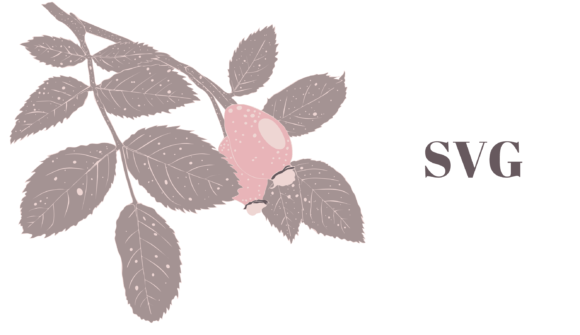
The moment I opened the file for Decorative Branch, I was struck by its clean, elegant presence. It’s a simple yet striking illustration of a branch in coffee pink, rendered in vector SVG format. The design feels organic and intentional, with a soft, flowing shape that suggests both nature and artistry. Its muted tone evokes warmth and calm, making it a versatile choice for a variety of embroidery projects.
Where Does This Design Belong?
Decorative Branch is not just a standalone image—it’s a narrative element. It works best as a subtle accent or a focal point depending on the project. For instance, if I were creating a custom embroidered tote bag for a boutique, this design would sit beautifully on the front, adding a touch of whimsy without overpowering the overall look. Similarly, it could be used as an applique design on a baby onesie or a cap, where its gentle curves and soft color would complement the fabric without clashing.
I can already picture it on a sweatshirt, subtly stitched in a coordinating thread color, adding a personal touch to a customer’s wardrobe. It also has potential for holiday embroidery, especially during spring or winter when pastel tones are in demand. Whether it’s a personalized gift or a small shop product, Decorative Branch offers enough visual interest to stand out while remaining approachable.
Real-World Performance: What to Expect
When evaluating an embroidery design for real use, performance is key. Decorative Branch holds up well in most scenarios, but there are a few areas where attention is needed. The design is relatively flat, which means it doesn’t require complex stitch types like satin stitch or fill stitch. However, it does have some intricate detailing in the branch’s texture, which may affect stitching clarity depending on the fabric and hoop size.
For example, using Decorative Branch on a thin or stretchy fabric might lead to distortion or uneven stitches. In such cases, proper stabilizer is essential. Additionally, the design’s delicate edges mean it should be handled with care when applied to curved surfaces like caps or hats. Testing the design on scrap fabric first is always a good idea, especially when working with dense stitch areas or detailed corners.
Another consideration is the color contrast. While the coffee pink hue is visually appealing, it may not show up clearly on dark fabrics. A quick test in black and white mockups can help identify any issues with visibility or stitch density before committing to a final product.
Design Notes for the Practical Designer
As an experienced designer, I recommend checking the following before proceeding:
- Test on scrap fabric to ensure the design looks as intended after stitching.
- Review stitch density to confirm it aligns with your machine’s capabilities and the fabric type.
- Confirm hoop size to avoid distortion, especially if the design has intricate details.
- Inspect small details, such as the branch’s texture and any hidden elements, to ensure they translate well to the final product.
- Compare light and dark fabric backgrounds to assess how the design performs under different conditions.
- Use proper stabilizer to maintain fabric integrity and prevent puckering.
- Check licensing terms before selling finished items or digital products to avoid legal issues.
Decorative Branch is a great example of how a single design can be adapted across multiple applications. Whether it’s a handmade product, a personalized gift, or a commercial embroidery asset, its adaptability makes it a valuable addition to any designer’s toolkit.
Enhancing Visual Appeal and Brand Consistency
Visual appeal is everything in the world of embroidery. Decorative Branch contributes positively to the overall aesthetic of a project, whether it’s a custom apparel piece or a boutique product. Its soft, pastel tone adds a sense of sophistication and warmth, which can enhance brand consistency when used repeatedly across different items.
From a customer perspective, the design’s simplicity and elegance make it highly recognizable. It’s easy to imagine someone wearing a shirt with Decorative Branch stitched onto the chest, or a patch featuring it on a handmade bag. These small touches can significantly impact buyer engagement and perceived value, especially in the handmade and craft business spaces.
Moreover, the design’s versatility allows it to fit seamlessly into printable mockups and digital previews, making it an excellent choice for Etsy sellers and small shop owners looking to showcase their work effectively online.
Final Thoughts on Real Use
Overall, Decorative Branch is a well-crafted design that offers a balance between simplicity and detail. It’s a great option for designers who want something that can be easily customized and adapted for various uses. However, like any embroidery design, it requires thoughtful application to ensure the final product meets both aesthetic and functional expectations.
If you’re considering using Decorative Branch for a project, take the time to evaluate its performance in different contexts. With the right preparation and attention to detail, this design can become a standout feature in your next embroidery project, whether it’s a personalized gift, a custom apparel piece, or a small shop product.